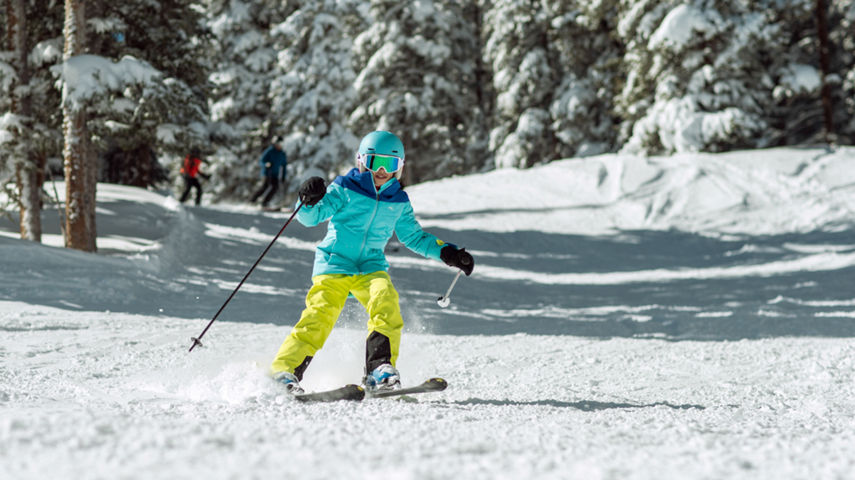
For many skiers, the sweet spot on the mountain is right in the middle. You’ve moved beyond the beginner slopes, you’re comfortable linking turns, and now you’re ready for terrain that flows — trails with a little speed, sweeping views, and just enough challenge to keep things interesting.
That’s where Beaver Creek shines.
Known for its beautifully groomed corduroy and thoughtfully designed terrain, Beaver Creek is a dream destination for intermediate skiers. Wide blue runs wind through glades, open bowls offer space to cruise, and lifts are placed in a way that makes exploring the mountain surprisingly easy.
If you’re wondering where to ski Beaver Creek for the perfect mix of scenery and approachable terrain, you’re in the right place. With a bit of strategy — and a few insider tips — an intermediate skier can spend an entire day here chasing sunshine, carving smooth turns, and discovering some of the mountain’s most rewarding runs.
Introduction: Why Beaver Creek Is Ideal for Intermediate Skiers
Some ski resorts cater to beginners. Others cater to experts chasing steep chutes and technical terrain. Beaver Creek strikes a rare balance.
For intermediate skiers especially, the mountain feels almost custom-built. Long groomed runs connect naturally across the resort, lifts are efficient, and many trails offer enough width to let skiers experiment with speed and carving without feeling pressured.
Areas like Bachelor Gulch and Arrowhead are perfect examples — tree-lined cruisers that feel scenic and relaxed rather than intimidating. Meanwhile, zones like Larkspur Bowl provide open blue terrain where skiers can comfortably progress.
If it’s your first time visiting, spending a little time exploring Beaver Creek Village before or after your ski day adds another layer to the experience. It’s an easy place to regroup, warm up, and get your bearings before heading back out on the mountain.
Best Intermediate Trails
Larkspur Bowl
If Beaver Creek had a “greatest hits” area for intermediate skiing, Larkspur Bowl would be near the top of the list.
Served by the Larkspur Express lift, this area offers wide blue runs with plenty of room to carve. The terrain here feels open and inviting, which makes it a favorite for skiers who want to build confidence while still enjoying a bit of speed.
On a sunny day, the views across the valley are just as memorable as the skiing itself.
Red Tail
Red Tail is one of Beaver Creek’s classic intermediate runs. It’s long, smooth, and ideal for skiers who enjoy rhythm — those satisfying sequences of turns where everything just clicks.
Because it connects key areas of the mountain, Red Tail also becomes a natural route for exploring different lifts and terrain zones.
Grouse Mountain Area
At the base of Grouse Mountain you’ll find some of Beaver Creek’s more exciting terrain, but intermediates still have plenty to enjoy here.
Several blue routes allow skiers to explore this part of the mountain without committing to the steepest lines. It’s a great area for skiers who want to challenge themselves slightly while still staying within comfortable terrain.
And if you’re skiing with more advanced friends, this zone makes it easy to split up and meet again at the lift.
Scenic Spots for Photos and Breaks
Sometimes the best part of skiing isn’t the run itself — it’s the moment at the top when you pause, take a breath, and realize just how big the Rockies really are.
Beaver Creek offers several places where those moments happen naturally.
A ride on the Centennial Express or Bachelor Gulch Express opens up sweeping views of the Gore Range and Vail Valley. Even if you’re not skiing every minute, the scenery alone makes the ride worthwhile. Many visitors enjoy taking a quick break here to snap photos or simply soak in the alpine landscape.
For skiers traveling with non-skiers, these same lifts are also part of Beaver Creek’s winter scenic experiences, which let guests enjoy the mountain views without needing to ski down.
Mid-Mountain Dining & Rest Stops
A perfect ski day usually includes at least one well-timed lunch break. Luckily, Beaver Creek has several mid-mountain spots where you can refuel without losing your momentum.
Spruce Saddle Lodge, perched above the Centennial Express lift, is one of the most popular stops on the mountain. With several dining concepts under one roof — including hearty burgers, soups, sandwiches, and grab-and-go options — it’s easy to find something quick before heading back out for another run.
If you’re exploring near Grouse Mountain, Talons is another excellent option. The modern Southwestern menu and spacious outdoor deck make it a great place to relax for a few minutes and enjoy the Colorado sunshine.
Over in Bachelor Gulch, Mamie’s offers a laid-back beer garden atmosphere with shareable plates and classic alpine snacks like bratwurst and pretzels. It’s the kind of place where a quick lunch can easily turn into a longer break if the weather is too perfect to rush.
If dining is part of what makes a ski trip memorable, it’s worth browsing more of Beaver Creek’s best dining experiences before your visit.
Lift Strategy: How to Ski More, Wait Less
One of Beaver Creek’s biggest advantages is how smoothly the mountain flows — but a little strategy can make your day even better.
Start your morning early on lifts like Centennial Express or Bachelor Gulch Express. The first hour of the day often delivers freshly groomed snow and the shortest lift lines.
Late morning is a great time to explore areas like Larkspur Bowl while many skiers are still working their way across the mountain.
And during the lunchtime rush? That’s actually a perfect time to ski. While others head inside for lunch, trails often become noticeably quieter.
If you’re staying nearby, choosing ski-in/ski-out lodging can help you get on the mountain earlier and make the most of prime morning conditions. For even more overnight options, you can also compare Beaver Creek lodging before your trip.
Gear Tips for Intermediate Terrain
The right equipment can make a noticeable difference when skiing intermediate terrain.
All-mountain skis are often the best choice here because they handle groomed runs, changing snow conditions, and occasional bumps comfortably. Intermediate skiers should also focus on properly fitted boots — they provide the control needed to carve confidently on steeper blue runs.
If you’re traveling without equipment, Beaver Creek makes it easy to sort out rentals and essentials ahead of time with its ski and snowboard gear guide.
And one small tip seasoned skiers swear by: pack an extra neck gaiter. Mountain weather can change quickly, and having one more layer often makes the difference between a good day and a great one.
Quick FAQ: Slope Difficulty, Crowd Levels, and Lift Passes
Is Beaver Creek good for intermediate skiers?
Yes. Beaver Creek is widely considered one of the best resorts in Colorado for intermediate skiing thanks to its wide groomed trails and scenic blue terrain.
Are Beaver Creek trails crowded?
Compared to some Colorado resorts, Beaver Creek often feels quieter. Strategic lift placement and thoughtful trail design help distribute skiers across the mountain.
Where can I see the Beaver Creek ski map?
You can review terrain zones and plan your route using Beaver Creek’s online mountain resources before visiting.
Do I need to plan my trip in advance?
Planning ahead always helps, especially during peak weekends and holidays. If you want to map out more than just your ski day, you can plan your Beaver Creek trip in advance to make the most of your time on and off the mountain.
And if you’re turning a ski weekend into a longer escape, pairing slope time with a visit to one of Beaver Creek’s spa experiences is never a bad call.